Managing Content Translation and Localization Queues Efficiently
Keep multi-language sites updated in tandem with primary language releases by setting automated translation queues and region-specific review gates.
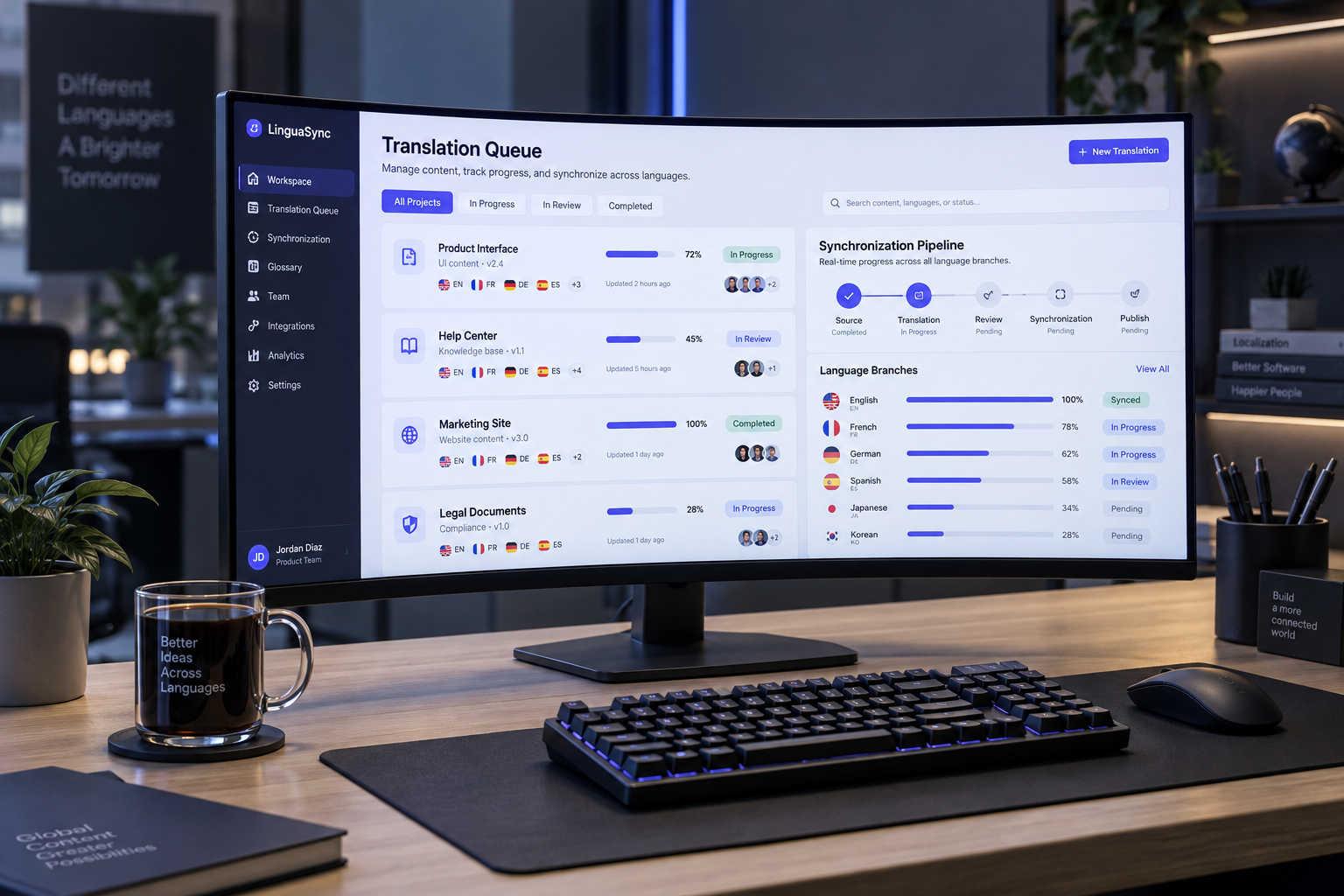
Managing content translation and localization queues efficiently means abandoning manual handoffs in favor of event-driven automation that triggers incremental delta translations the moment primary source assets change. When teams combine prioritized queue routing, tiered regional review gates, and automated technical SEO validation, multilingual sites stay synchronized with primary release cycles without introducing publishing bottlenecks or indexation errors.
For global content operations, generating translations is no longer the real friction point—AI has solved raw speed. The breakdown happens in orchestration: keeping updates aligned across locales, governing review handoffs, and safeguarding search visibility while content rolls out asynchronously. Solving this requires a structured, end-to-end systems architecture.
Key Takeaways
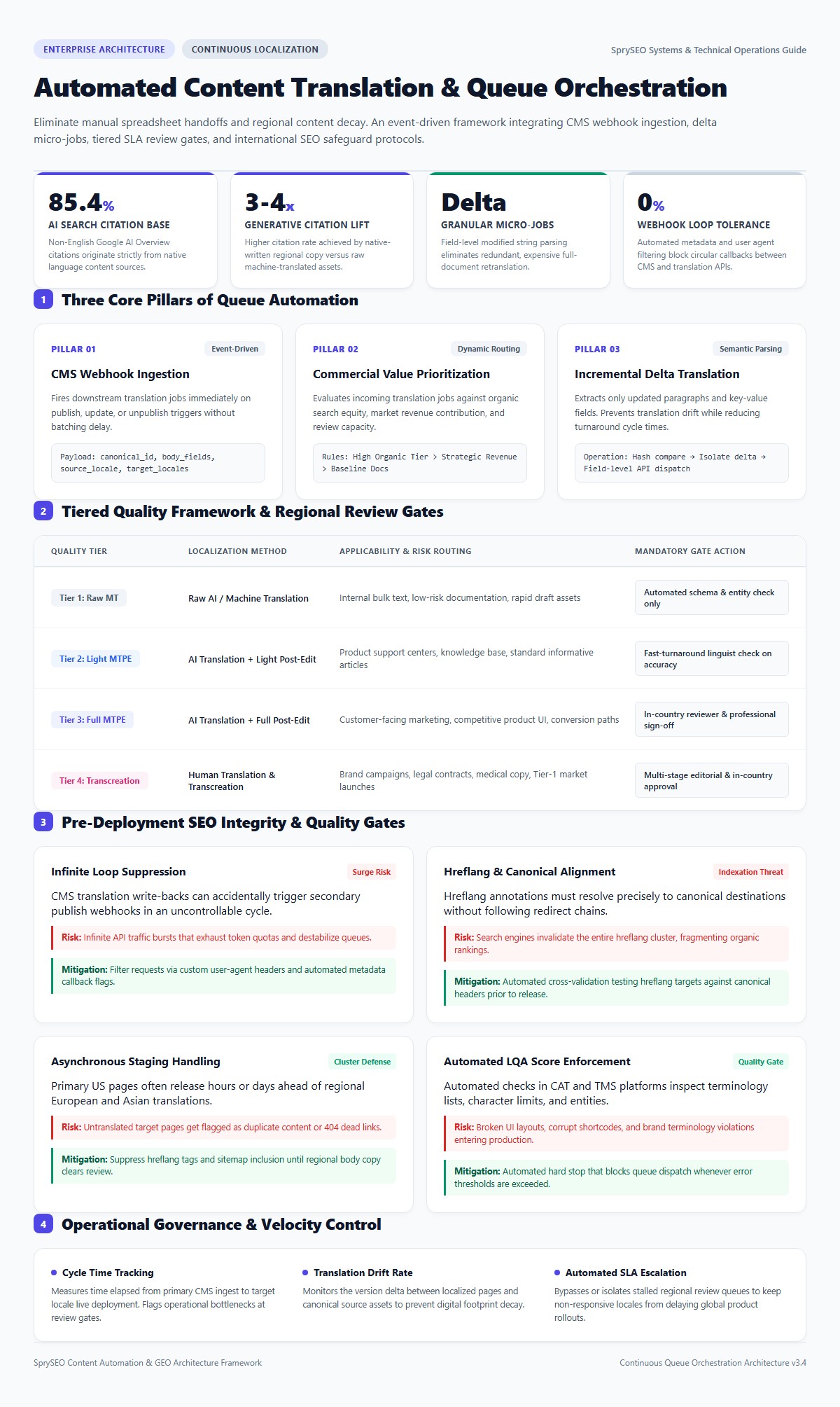
- Automate ingestion, don't batch manually. CMS webhooks that fire on publish, update, or unpublish events can start translation workflows automatically using payloads carrying canonical content IDs, content bodies, source locales, and target locales.
- Translate deltas, not whole pages. Delta detection and centralized version control let systems localize incremental changes daily rather than retranslating entire documents.
- The bottleneck is now review, not translation. As AI accelerates output, localization friction has shifted to human review, in-country approvals, and QA—making tiered SLA governance essential.
- Protect hreflang integrity during staggered rollouts. Hreflang tags must always point to exact canonical URLs; a single broken tag can cause search engines to ignore an entire language cluster.
- Native matters for AI search. Native-written content achieves 3–4x higher citation rates in non-English AI search than machine-translated content.
The Operational Bottleneck of Unsynchronized Localization Queues
Most localization breakdowns stem from orchestration failures rather than translation quality. When teams treat localization as an ad-hoc, post-publish chore, content decay sets in quickly, eroding the international SEO equity of regional digital footprints.
The Trap of Sequential Localization vs. Parallel Orchestration
Sequential localization—publishing the primary page, manually exporting strings, emailing spreadsheets to external vendors, and waiting—creates compounding latency. Every manual touchpoint lengthens queue time and increases the odds that the source text updates again before the first translation even returns. Parallel orchestration bypasses this entirely: publishing events route directly into automated pipelines, pushing source content to all target locales simultaneously rather than queuing them in serial batches.
Localization Drift: Why Regional Pages Fall Out of Date with Core Assets
When teams update or deprecate primary language pages without syncing localized variants, regional pages drift away from the canonical source. Over time, a US-English reference asset and its European counterparts diverge substantially. The fix is centralized version control with automated delta detection, which tracks daily source modifications across language trees and routes targeted, incremental updates instead of relying on manual audits to reconcile differences.
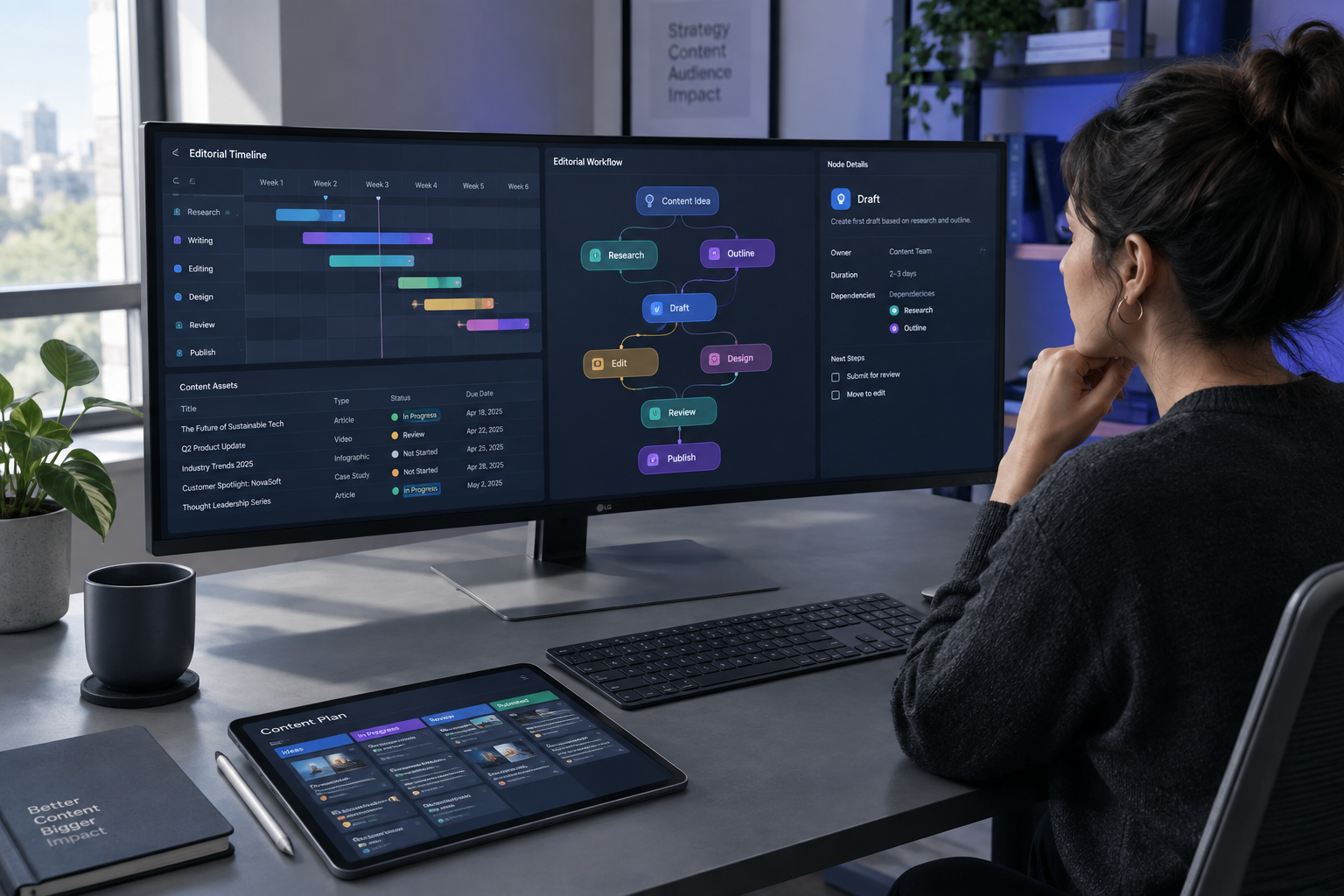
The SEO Toll of Broken Hreflang Clusters and Asynchronous Staging
When localized pages lag or hreflang tags point to invalid targets, the damage reaches far beyond stale copy. Hreflang annotations must resolve directly to the exact canonical URL of each regional variant. Referencing non-canonical URLs or redirect paths risks prompting search engines to invalidate the entire cluster—fragmenting search equity across every locale, including those published correctly.
Architecting an Automated Translation and Localization Queue
A dependable queue architecture rests on three core capabilities: event-driven triggers, dynamic prioritization, and incremental delta parsing. Together, they eliminate the operational friction that generates backlogs.
Event-Driven Triggers: Ingesting Source Updates via CMS Webhooks
In a headless CMS architecture, webhook events fired on publish, update, or unpublish actions trigger downstream translation workflows automatically. The webhook payload passes the canonical content ID, content body, source locale, and designated target locales. Downstream translation layers ingest this data and kick off the localization pipeline immediately, removing any need for manual batch exports.
Connecting a headless CMS to translation APIs requires clear guardrails. System logic must differentiate human-authored updates from automated API callbacks—typically by checking request user agents or specific metadata flags—to prevent translation callbacks from triggering outbound requests in an infinite loop. Adding message queues and resilient retry logic helps smooth out volume spikes, maintaining queue stability when large content sets deploy at once.
Dynamic Queue Prioritization Based on Organic Value and Market Tiering
Not every page warrants identical queue priority. Enterprise localization SLA frameworks evaluate incoming requests against score thresholds and regional turnaround targets, ensuring high-value assets and strategic markets enter active workflows first. Routing rules should factor in organic traffic tiering, direct revenue contribution, and overall commercial priority, focusing human review capacity on assets that deliver the greatest impact.
Semantic Delta Parsing: Translating Incremental Changes Instead of Entire Pages
The most dramatic efficiency gains come from translating only modified text. A modern Translation Management System (TMS) interacts with a headless CMS field by field—leveraging structured payloads with stable keys and field-level identifiers—to translate and write back updates via API without parsing HTML or scraping front-end templates. Paired with delta detection, modifying a single paragraph initiates an isolated micro-job instead of an expensive full-page retranslation, keeping the queue lean.
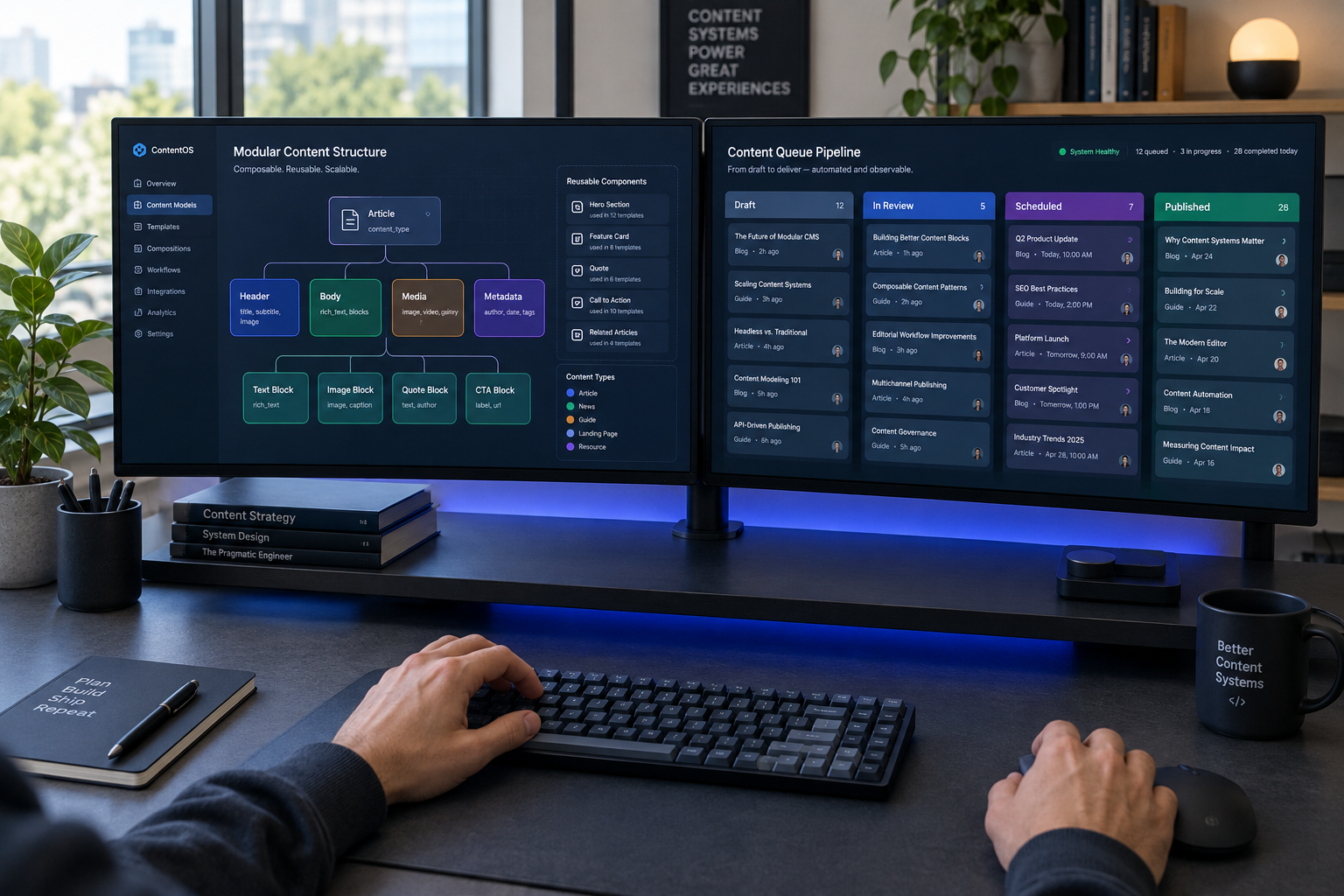
Structuring Region-Specific Review Gates and Editorial Workflows
Because AI has accelerated initial translation output, operational friction has shifted toward internal sign-offs: in-country reviews, stakeholder coordination, and quality assurance. Regional reviewers often balance localization checks against their primary daily roles. Establishing review gates calibrated to asset risk keeps these pipelines moving.
Tiered Review Framework: Raw AI Translation vs. Human MTPE vs. Cultural Transcreation
Effective workflows balance machine translation, automated quality estimation, and targeted human validation to determine where post-editing is genuinely required. Content should be routed into structured quality tiers: raw machine output for low-stakes material, light post-editing for clear and accurate copy, full post-editing for native publish-ready fluency, and bespoke human translation or transcreation for high-risk assets like legal, medical, or brand-defining copy.
| Quality Tier | Localization Approach | Target Output Quality | Asset Applicability & Risk Routing | Review Gate Requirements |
|---|---|---|---|---|
| Tier 1: Raw MT / Automated | Raw AI / Machine Translation | Draft / baseline comprehensibility | Internal bulk text, low-risk documentation | Automated validation only; no mandatory human review gate |
| Tier 2: Light MTPE | AI Translation + Light Post-Editing | Clear, usable, factually correct text | Standard product support, general informative content | Fast-turnaround linguist check on accuracy and terminology |
| Tier 3: Full MTPE | AI Translation + Full Post-Editing | Publish-ready quality matching native tone | Customer-facing marketing, competitive product UI | In-country reviewer / professional linguist sign-off |
| Tier 4: Human / Transcreation | Human Translation or Cultural Transcreation | Culturally nuanced, high-fidelity brand copy | Legal, medical, brand-critical assets, high-value locales | Mandatory multi-stage review gate with in-country marketing approval |
Defining Clear SLA Windows for In-Country Marketing Reviewers
Reviewer availability does not expand alongside localization volume, making formal SLA windows critical. Locale-specific parameters should reflect regional team capacity and establish realistic turnaround schedules per market. Content meeting predefined value thresholds enters active review sprints, establishing consistent dispatch cadences rather than open-ended delays.

Automated Quality Gates: Terminology Consistency, Length Validation, and Entity Checks
Automated gates intercept errors before content reaches human reviewers. Modern CAT tools and TMS platforms calculate Linguistic Quality Assurance (LQA) error scores at each workflow milestone. Configuring systems to halt queue dispatch when error counts exceed established tolerances keeps terminology discrepancies, layout-breaking string lengths, and corrupted formatting out of production environments automatically.
Maintaining International SEO Integrity Across Localized Deployments
Technical SEO safeguards protect asynchronous publication workflows from cluster-wide ranking drops. Hreflang implementation, canonical targets, and indexation directives must all be coordinated directly through the localization queue.
Hreflang Generation Protocols During Staggered Regional Releases
During asynchronous rollouts, primary content often goes live hours or days before regional translations finish. Systems must handle these gaps cleanly. The standard protocol: only publish hreflang references to a target locale once the regional page exists and its primary body copy is translated. Unreleased or partially localized URLs must stay excluded from active hreflang clusters and XML sitemaps until deployment is complete.
Handling Staging Indexation and Canonical Alignment Across Target Locales
Search engines classify localized pages as duplicates when main body copy remains untranslated—meaning an incomplete page risks canonical consolidation into the source URL rather than ranking as an independent asset. Hreflang tags must map cleanly to the canonical URL of each locale variant without intermediate redirects. Running automated canonical-to-hreflang cross-validation checks prior to deployment avoids this common pitfall.
| Validation Dimension | Pre-Publish Automated Check | Risk of Failure | Mitigation Action |
|---|---|---|---|
| Webhook Loop Prevention | Verify user agent and metadata flags on CMS callbacks | Infinite webhook loops between CMS and translation APIs causing traffic surges | Filter out automated API updates from triggering outbound translation requests |
| Hreflang & Canonical Alignment | Confirm hreflang targets resolve exactly to canonical URLs without redirects | Search engines ignore the entire hreflang cluster or fragment ranking equity | Automate canonical-to-hreflang cross-referencing prior to staging deployment |
| Asynchronous Staging Handling | Verify target locale page exists and main content is translated before publishing hreflang link | Google treats untranslated pages as duplicates, or tags point to non-existent versions | Exclude unreleased or unlocalized variants from the active hreflang index/sitemap |
| Linguistic Quality Assurance | Inspect automated LQA error count indicator in CAT tool/TMS | Substandard translations or corrupted formatting released to production | Enforce an automated quality gate that blocks dispatch if the error count exceeds the threshold |
Optimizing for Regional Generative Engines and Search Engines Beyond Google
Multilingual search visibility increasingly depends on generative discovery platforms. Within Google AI Overviews, 85.4% of citations backing non-English answers originate from sources published in that prompt's native language. Native-language coverage is fundamental to appearing in generative results. This also raises the standard for final copy: native-written content achieves 3–4x higher citation rates across non-English AI search queries compared to raw machine-translated copy.
Centralized Governance vs. Regional Autonomy: Managing Operational Friction
The toughest operational challenges in multilingual publishing are organizational. Effective governance balances enterprise-wide brand consistency with the local autonomy necessary to produce culturally compelling content.
Global Master Templates vs. Regional Market Adaptation Rights
Centralized master templates preserve global core messaging, terminology, and content structures, while tiered review models grant regional teams latitude where nuances matter. Lower-risk operational content can move through automated pipelines under central oversight, while high-impact marketing and brand-critical pages route directly to in-country teams equipped with clear adaptation authority. Codifying these relationships by content type within the queue balances control with flexibility.
Resolving Deadlocks When Regional Reviewers Miss Scheduled Dispatch Deadlines
Allowing regional teams indefinite review windows without automated fallbacks is a primary driver of global rollout delays. Addressing this requires pairing explicit SLA windows with automated bypass protocols: if a regional reviewer fails to respond before a deadline, the workflow can auto-escalate, step down to an approved fallback tier, or temporarily isolate that market's release while proceeding with the rest of the rollout. This keeps unaligned markets from holding up entire global campaigns.
Between synchronized global launches and staggered regional rollouts, operational data favors protecting primary market momentum. Holding back a finished source release until every translation completes surrenders competitive speed. A controlled, staggered model—backed by rigorous hreflang handling—lets the primary release go live immediately while localized assets deploy as they clear validation.
Measuring Queue Efficiency and Multilingual Velocity
What gets measured gets optimized. Tracking a concise set of operational metrics highlights queue bottlenecks and flags localization drift before it impacts performance.
Key Operational Metrics: Cycle Time, Queue Throughput, and Translation Drift Rate
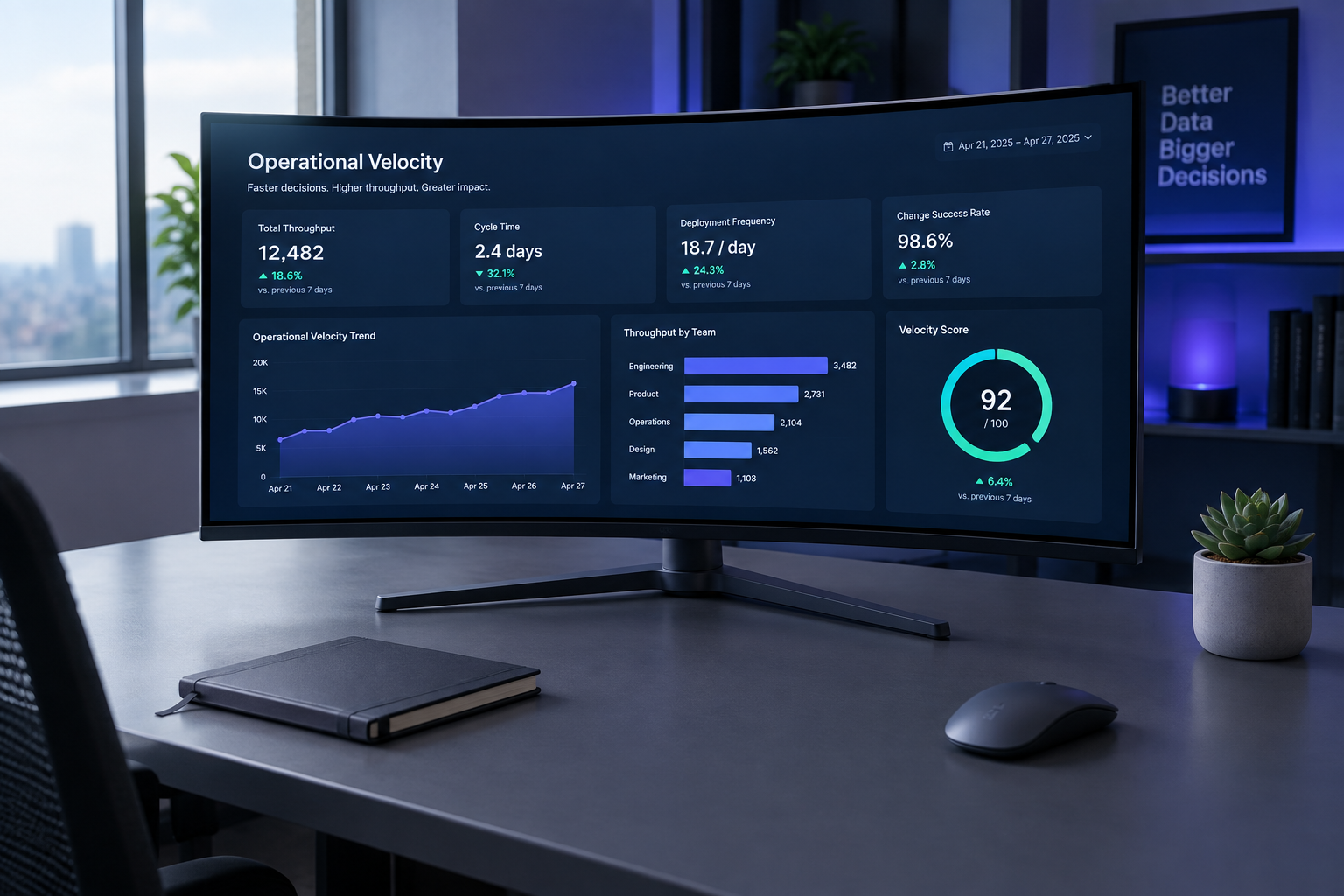
Operations leads should track cycle time (ingestion to live publishing), queue throughput (completed jobs per cycle), and translation drift rate (the time or version gap separating localized variants from the core source). Because delta-based workflows handle smaller, frequent updates, drift rate provides an immediate indicator of whether automated synchronization is succeeding or stalling behind the scenes.
Continuous Audit Routines to Eliminate Regional Publishing Backlogs
Continuous localization integrates translation directly into the active publishing lifecycle rather than handling it as a periodic project. Back this architecture with automated audits that routinely compare source pages against locale variants, confirm canonical and hreflang integrity, and flag regional targets showing growing backlogs or rising drift rates. These routines convert queue orchestration from a reactive scramble into an orderly, predictable operating system.
Author Box
This article was produced by the SprySEO editorial team. SprySEO is an SEO and GEO content automation platform that connects website analysis, topic planning, AI article generation, SEO and GEO checks, and scheduled publishing—including multi-language localized versions dispatched to CMS platforms via webhooks and RSS/Atom/JSON feeds—to help brands gain visibility in search engines and AI answers.
Disclaimer
This content is provided for general informational purposes only and does not constitute SEO, legal, or technical advice. Platform capabilities, search engine behaviors, and international SEO guidelines change over time; verify current documentation and test implementations in your own environment before applying any workflow described here. Outcomes depend on your specific content, markets, and tooling.
Frequently asked questions